
PlantSnap plant identification
Screenshots
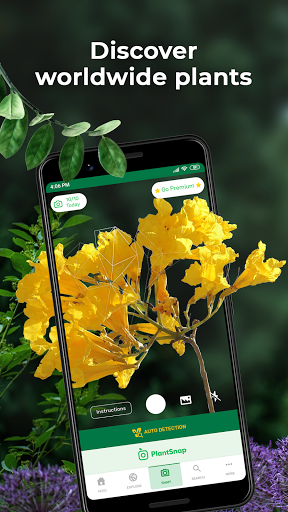
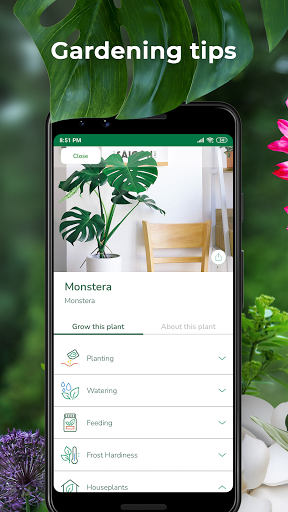
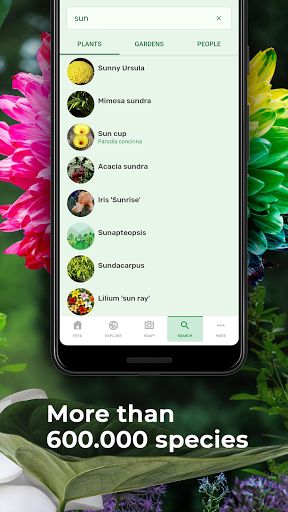
What is PlantSnap plant identification
PlantSnap plant identification turns photos into instant plant IDs with clear confidence scores and helpful care notes. High-energy, easy-to-use design makes this a go-to app for gardeners, hikers, and curious explorers across the US—download and start identifying today.
📌 Core Features
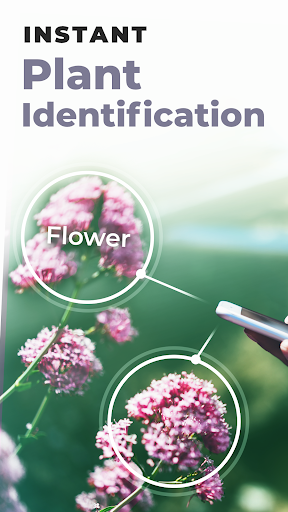
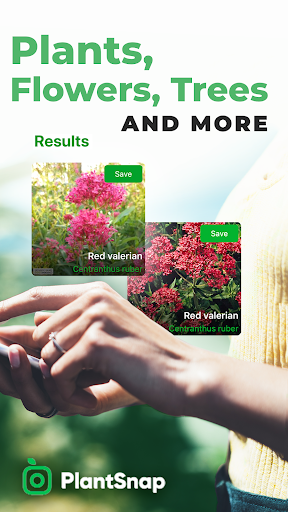
AI-powered plant ID: Uses a large trained model and an extensive species database to identify plants from photos with fast results. Confidence scores and similar-species matches help validate identification choices. 📷
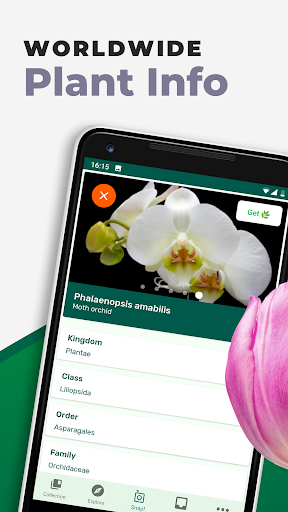
Extensive species library: Database covers millions of plants with taxonomy, photos, and common names for broad coverage. Frequent updates expand native and ornamental species listings. 🌿
Offline identification packs: Download regional packs to identify plants without cellular data for hikes and remote gardens. Perfect for US national parks and rural use without connection. 🗺️
Care tips and profiles: Each ID links to care instructions, habitat notes, and seasonal guidance to support plant care decisions. Visuals and range info help match practical maintenance steps. 📚
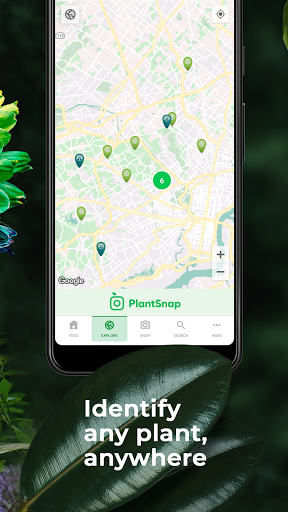
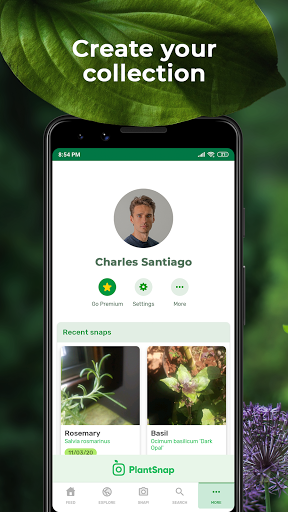
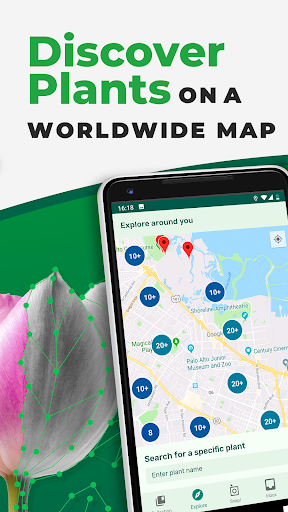
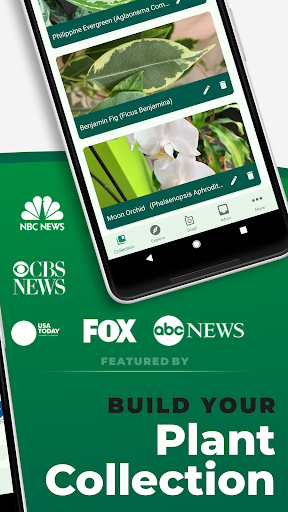
Saved sightings and history: Store and organize discoveries with GPS tags, timestamps, and personal libraries for reference. Export and sharing features make it easy to build project records or citizen science logs. 📍
👍🏼 Pros
Fast, accurate results: AI delivers identifications in seconds for common species, speeding up fieldwork and leisure exploration. Quick feedback encourages more discoveries on every outing. ⚡
Beginner-friendly interface: Guided capture and clear UI reduce photo errors and simplify the identification flow. Helpful prompts improve first-time success rates for new users. 🖱️
Works offline with packs: Downloadable regional datasets keep core functionality available without cell service. Ideal for rural areas, trails, and national parks. 🏕️
Educational species data: In-depth profiles include care, uses, and ecological notes that boost plant knowledge. Great for gardeners, students, and backyard naturalists. 📘
Supports community and records: Geotagged logs and sharing tools enable collaborative projects and conservation tracking. Easy export options help integrate with external research. 🌱
👎🏼 Cons
Subscription required for full access: Unlimited IDs, offline packs, and premium features are gated behind a paid plan after trial limits. Casual users may find the cost high for sporadic use. 💳
Occasional misidentifications: Rare plants and low-quality photos can lead to incorrect matches or ambiguous results. Verification from expert sources is recommended for critical or sensitive identifications. ❗
Data and privacy considerations: Photos, location tags, and usage data may be collected to improve the service and for analytics purposes. Review the privacy policy before uploading sensitive locations or endangered-species sightings. 🔒
Ads in the free tier: The free version includes advertisements that interrupt frequent use and the discovery flow. Upgrading removes ads but increases the cost of continued use. 📣
Offline packs consume storage: Regional databases require device storage and occasional updates that add to space usage. Management is necessary on devices with limited capacity. 💾
💰 Prices
Free tier available with limited daily identifications, basic features, and ads to test the app before committing. Premium unlocks unlimited IDs, offline packs, and ad-free use for roughly $3.99/month or about $19.99/year, with occasional lifetime purchase options near $39.99.
Similar Apps